Self Employed Maternity Coverage Options: 2026 Guide
Self employed maternity coverage options are defined by three core pillars: ACA-compliant health insurance plans, individual short-term disability insurance for income replacement, and voluntary state paid family leave programs. Freelancers and independent contractors have no employer benefits to fall back on, which makes proactive planning the only path to protected maternity leave. The right combination of coverage can replace lost income, cover prenatal and delivery costs, and prevent financial collapse during time away from work. Knowing which tools to use, and when to enroll, is the difference between a covered leave and a costly gap.
1. What are ACA-compliant plans for self-employed maternity coverage?
ACA-compliant plans are the only guaranteed maternity coverage in the individual market in 2026, covering prenatal, delivery, and postpartum services as essential health benefits at no extra cost. This matters because short-term and non-compliant plans are legally permitted to exclude pregnancy entirely. Every ACA plan sold on the federal or state marketplace must include maternity care regardless of the metal tier you choose.
Enrollment happens during the annual open enrollment window, which runs november 1 through january 15, or during a Special Enrollment Period triggered by qualifying life events such as marriage, loss of other coverage, or moving to a new state. Planning a pregnancy counts as a reason to review your plan, but it does not by itself trigger a Special Enrollment Period. You need to enroll before you conceive to avoid a coverage gap.

Plan deductibles generally range from $1,500 to $7,050 depending on the metal tier. Gold and Platinum plans carry higher premiums but lower deductibles, which makes them the smarter financial choice when you expect significant medical costs from pregnancy and delivery. Silver plans offer a middle ground, and they unlock cost-sharing reductions for lower-income freelancers.
Top insurers offering ACA-compliant maternity plans include Blue Cross Blue Shield, Kaiser Permanente, and Anthem. Blue Shield of California, for example, offers tiered plans including the Gold 80 Trio HMO and Platinum 90 Trio HMO, with premiums ranging from $450 to $850 per month before subsidies. All of these plans cover maternity care as a standard benefit.
- ACA plans cover prenatal visits, ultrasounds, labor, delivery, and postpartum care
- Open enrollment runs november 1 through january 15 each year
- Gold and Platinum tiers reduce out-of-pocket costs during pregnancy
- Short-term plans legally exclude maternity and should never substitute for ACA coverage
- Premium tax credits are available for incomes under 400% of the federal poverty level
Pro Tip: Update your income estimate on Healthcare.gov or your state marketplace every time your freelance earnings change. Underreporting income leads to a tax bill at year end; overreporting means you pay more than necessary each month.
2. How does short-term disability insurance replace income during maternity leave?
Individual short-term disability insurance replaces 50–70% of income for 9 to 26 weeks, making it the primary income replacement tool for self-employed individuals during maternity leave. Your ACA health plan covers medical costs, but it does not replace the revenue you stop earning when you step away from client work. Short-term disability fills that gap directly.
The critical rule: you must purchase the policy before becoming pregnant. Insurers classify pregnancy as a pre-existing condition if you are already pregnant at the time of application. Most policies impose an elimination period of 7 to 14 days before benefits begin. Vaginal deliveries typically qualify for 6 weeks of benefits, while C-section deliveries qualify for 8 weeks.
| Feature | Short-term disability (individual) | Employer group plan |
|---|---|---|
| Who qualifies | Self-employed, freelancers | W-2 employees only |
| Income replacement | 50–70% of income | 60–70% of income |
| Benefit duration | 9–26 weeks | Varies by employer |
| Pre-existing condition rule | Must buy before pregnancy | Usually no waiting period |
| Tax treatment | Benefits generally tax-free | Depends on premium payer |
Benefit payments from individual short-term disability policies are generally tax-free when you pay premiums with after-tax dollars. That is a meaningful advantage over employer plans where the tax treatment depends on how premiums were funded. For a freelancer earning $6,000 per month, a 60% replacement rate delivers $3,600 per month during leave.
Pro Tip: Choose a benefit duration of at least 12 weeks and an elimination period of 7 days. A longer benefit window protects you if recovery takes longer than expected, and a short elimination period reduces the out-of-pocket gap at the start of leave.
For more detail on setting up this type of coverage, the disability insurance setup guide at Sageshieldassurance covers the full process for independent workers.
3. What state voluntary programs offer freelance maternity benefits?
State voluntary paid family leave programs exist in California, New York, New Jersey, Washington, Massachusetts, Connecticut, and Oregon, and self-employed individuals can opt into these programs before pregnancy to receive partial wage replacement during maternity leave. These programs are often overlooked because they are not automatic. You must actively enroll, and enrollment must happen before conception in most states.
Each state sets its own benefit levels, eligibility criteria, and enrollment deadlines. California’s Paid Family Leave program, for example, replaces a portion of wages for up to 8 weeks. New York’s Paid Family Leave program offers up to 12 weeks of partial pay. The exact benefit percentage varies by state and by your reported earnings.
Other supplemental options worth knowing:
- Medicaid presumptive eligibility: Pregnant freelancers may qualify for immediate prenatal care coverage through Medicaid even without prior enrollment, because pregnancy-related income thresholds are higher than standard adult Medicaid limits.
- Professional association grants: Some freelance and creative professional associations offer emergency funds or hardship grants that can supplement income during leave.
- Health Savings Accounts (HSAs): Paired with a high-deductible ACA plan, an HSA lets you save pre-tax dollars specifically for maternity-related medical costs.
- Savings buffer: A dedicated maternity fund covering 3 to 6 months of operating expenses gives you flexibility that no insurance product alone can provide.
The key insight from experts is that a portfolio approach to maternity planning combining insurance, savings, and voluntary state programs produces the most complete protection. No single product covers everything.
4. How to reduce costs and maximize tax benefits for pregnancy coverage
Self-employed individuals under 400% of the federal poverty level qualify for premium tax credits that can reduce monthly ACA premiums by a significant amount. These credits are calculated based on your estimated annual income, which means freelancers with variable earnings need to update their income projections regularly to avoid surprises at tax time.
The most powerful tax tool available is the self-employed health insurance deduction on Schedule 1, Line 17. This deduction reduces your adjusted gross income directly, which lowers your federal income tax liability. It is more valuable than deducting premiums as a business expense on Schedule C because it reduces AGI rather than just business profit.
Choosing the right metal tier is a cost decision, not just a coverage decision. Gold and Platinum plans cost more per month but protect you from high out-of-pocket costs during delivery. Silver plans with cost-sharing reductions work well for freelancers in lower income brackets. Bronze plans carry the lowest premiums but expose you to deductibles that can reach $7,050 per person.
- Maternity-inclusive ACA plans cost $450–$850 per month before subsidies
- Premium tax credits can reduce that cost substantially for qualifying incomes
- The Schedule 1, Line 17 deduction lowers your AGI and your overall tax bill
- Deductions are capped by net profit from the business that established the insurance
- Document all premiums paid under your business entity to support the deduction
Pro Tip: Set up your health insurance under your business entity and document it properly. The self-employed health insurance deduction is capped by your net business profit, so proper accounting directly determines how much you can deduct.
For a full breakdown of cost reduction strategies specific to freelancers, Sageshieldassurance has published a dedicated 2026 guide.
5. How to build a complete maternity coverage plan before pregnancy
The best maternity coverage plan for a self-employed individual combines an ACA-compliant health plan, individual short-term disability insurance, and a savings buffer, all put in place before conception. Waiting until you are pregnant to research coverage is the most common and most costly mistake freelancers make. Most products require enrollment before pregnancy to be effective.
A practical pre-pregnancy checklist:
- Enroll in an ACA-compliant plan during open enrollment or a qualifying Special Enrollment Period, choosing Gold or Platinum tier for lower out-of-pocket costs during delivery.
- Purchase individual short-term disability insurance at least 30 to 60 days before trying to conceive to clear any waiting periods.
- Check your state’s voluntary paid family leave program and enroll if you live in California, New York, New Jersey, Washington, Massachusetts, Connecticut, or Oregon.
- Open or fund an HSA if you are on a high-deductible plan, and direct contributions toward anticipated maternity costs.
- Update your income estimate on the ACA marketplace to reflect current freelance earnings and capture the correct subsidy amount.
- Confirm your plan’s provider network includes OB-GYN providers and a hospital you want to use for delivery.
- Build a cash reserve covering at least 3 months of personal and business expenses to cover the income gap that insurance does not replace.
Reviewing your individual health coverage options annually is worth the time even if you are not planning a pregnancy immediately. Plans change, premiums shift, and subsidy eligibility moves with your income.
Key takeaways
Self-employed maternity coverage requires combining ACA health plans, short-term disability insurance, and state programs before pregnancy to avoid costly gaps.
| Point | Details |
|---|---|
| ACA plans are the foundation | Only ACA-compliant plans guarantee maternity benefits; enroll before conception. |
| Short-term disability replaces income | Individual policies replace 50–70% of income for 9–26 weeks; buy before pregnancy. |
| State programs fill the gap | Seven states offer voluntary paid family leave that self-employed workers can opt into. |
| Tax deductions lower your cost | Deduct premiums on Schedule 1, Line 17 to reduce AGI and lower your tax bill. |
| Early planning is non-negotiable | Most coverage tools require enrollment before pregnancy to be effective. |
What I’ve learned about self-employed maternity planning after years in this space
The single most common mistake I see is freelancers treating maternity coverage as a one-product problem. They buy an ACA plan, assume they are covered, and then discover on leave that they have no income replacement and no state benefits because they missed enrollment windows. The ACA plan covers the hospital bill. It does not pay your rent.
The second mistake is underestimating how much the tax side of this matters. Properly filing the self-employed health insurance deduction on Schedule 1 rather than just Schedule C is a detail that many freelancers and even some accountants miss. That one line item can meaningfully reduce your AGI and your total tax burden during a year when your income is already lower because of leave.
My honest recommendation: treat maternity planning like a business project with a timeline. Start 12 months before you plan to conceive. Enroll in your ACA plan during the november open enrollment window. Purchase short-term disability in the same month. Check your state’s voluntary program and enroll if available. Then build your cash reserve. By the time you are pregnant, every piece is already in place and you are not scrambling.
The freelancers who come through maternity leave financially intact are not the ones with the most money. They are the ones who planned early and used every available tool. That combination of ACA coverage, disability income replacement, and state benefits is not complicated. It just requires starting before you need it.
— mkaravas1m
How Sageshieldassurance helps self-employed individuals secure maternity coverage
Sageshieldassurance specializes in tailored health insurance plans for self-employed individuals and business owners, with direct access to ACA-compliant plans from leading carriers including Blue Cross Blue Shield, Kaiser Permanente, and Anthem. Their brokers compare plans across your income level, location, and coverage needs to find the right combination of premium, deductible, and network for your situation.
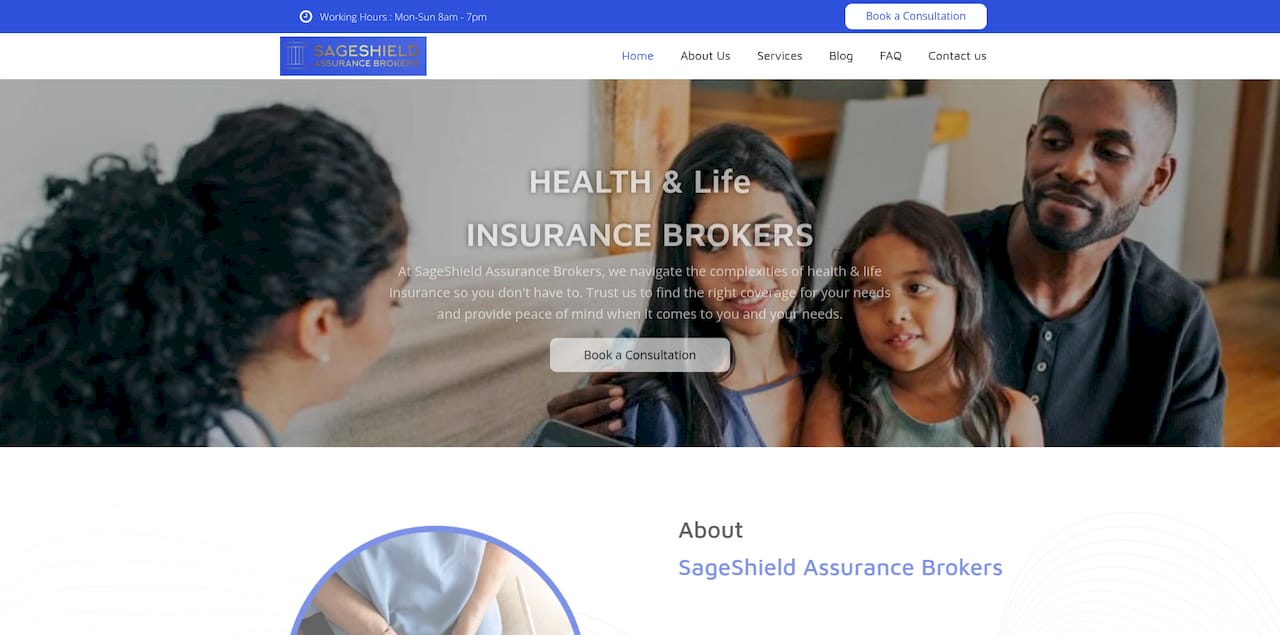
With over 500 families served across 40 states, Sageshieldassurance brings the kind of hands-on guidance that makes the difference between a plan that looks good on paper and one that actually works during pregnancy and delivery. They also support the tax and documentation side of self-employed health insurance, helping you capture every deduction available. If you are a freelancer planning for maternity leave, working with a broker who understands your specific situation is the most direct path to complete coverage.
FAQ
What is the best health insurance for self-employed maternity coverage?
ACA-compliant plans from carriers like Blue Cross Blue Shield, Kaiser Permanente, and Anthem are the best option. They guarantee maternity benefits as essential health benefits and cannot exclude pregnancy.
Can self-employed individuals get paid maternity leave?
Yes, through individual short-term disability insurance and voluntary state paid family leave programs in California, New York, New Jersey, Washington, Massachusetts, Connecticut, and Oregon. Both require enrollment before pregnancy.
Does short-term health insurance cover pregnancy for freelancers?
Short-term medical plans exclude maternity and classify pregnancy as a pre-existing condition. Relying on them for pregnancy coverage can result in tens of thousands of dollars in uncovered delivery costs.
How much does maternity coverage cost for self-employed individuals?
Maternity-inclusive ACA plans cost $450–$850 per month before subsidies. Premium tax credits for incomes under 400% of the federal poverty level can reduce that cost significantly.
Can I deduct maternity health insurance premiums as a self-employed person?
Yes. The self-employed health insurance deduction on Schedule 1, Line 17 reduces your adjusted gross income directly, lowering your federal tax liability for the year.
Leave a Reply